


Managing mental health challenges alongside substance use can feel overwhelming, especially when both conditions affect one another. Many people experience a cycle where emotional distress leads to substance use, which then intensifies mental health symptoms. Without the right level of care, this cycle can continue and make recovery feel out of reach. Co-occurring disorder treatment in Michigan helps interrupt this pattern by addressing both challenges together.
This approach does not separate addiction care from mental health support. Instead, it focuses on how these conditions influence each other. By treating both at the same time, individuals receive support that helps stabilize symptoms, uncover underlying causes, and begin meaningful healing with a clearer path forward.
What Is a Co-Occurring Disorder?
To understand recovery, it helps to clearly define what a co-occurring disorder is. A co-occurring disorder occurs when a person experiences a substance use disorder alongside a mental health condition such as depression, anxiety, bipolar disorder, or post-traumatic stress disorder. These conditions are closely connected, and each can intensify the other, making symptoms harder to manage without coordinated care.
Traditional treatment programs often focus only on substance use, which leaves mental health symptoms untreated and increases the risk of relapse or ongoing distress. Effective co-occurring disorder treatment addresses both conditions together through an integrated approach that supports mental and emotional stability. At Enlightened Recovery Michigan, this approach helps individuals strengthen coping skills, stabilize symptoms, and build a foundation for long-term recovery.
How Mental Health and Substance Use Become Connected
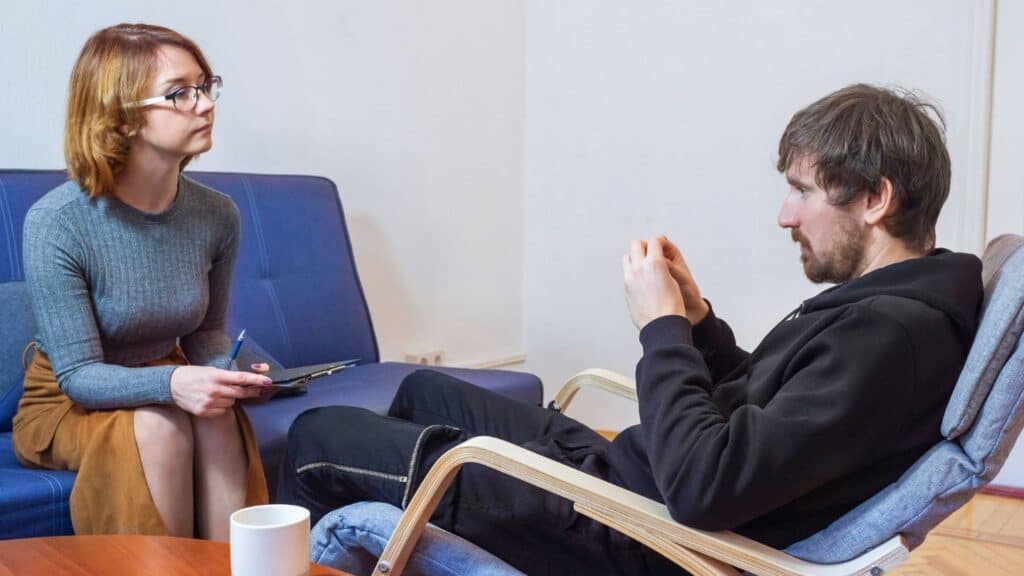
Many people ask, how are mental health and substance abuse related. The answer is rarely simple. In many cases, individuals turn to drugs or alcohol as a way to cope with untreated mental health symptoms. Depression, anxiety, trauma, and mood disorders can feel overwhelming without support, and substances may seem like temporary relief. Over time, this pattern often worsens both conditions and makes recovery more difficult.
Substance use can also contribute to the development or worsening of mental health disorders. Long-term drug or alcohol use affects brain chemistry, emotional regulation, and stress response. Research shows that millions of adults in the United States experience both mental health conditions and substance use disorders at the same time, highlighting how frequently these challenges overlap, according to recent data from the Centers for Disease Control and Prevention (CDC).
In addition, several underlying factors often shape how these conditions develop together. Some individuals use substances to manage emotional pain when they lack access to mental health care or effective coping tools. Others face increased risk due to genetic vulnerability, unresolved trauma, chronic stress, or unstable environments.
Over time, these influences can reinforce one another, making it harder to separate mental health symptoms from substance use without coordinated care. Understanding how mental health and substance abuse are related helps guide treatment that addresses both causes and patterns of behavior.

Importance of Co-Occurring Disorder Treatment in Michigan
Co-occurring conditions require a level of care that goes beyond standard addiction treatment. When mental health symptoms remain untreated, many individuals return to substance use as a way to cope, which reinforces the cycle of addiction. For this reason, treatment for co-occurring disorders must be structured, intentional, and clinically informed to address both conditions at the same time.
Mental health conditions commonly seen alongside substance use include:
- Depression
- Anxiety disorders
- Bipolar disorder
- Post-traumatic stress disorder (PTSD)
Each of these conditions presents distinct challenges, yet all can disrupt recovery when left untreated. Through integrated care, individuals develop healthier coping strategies, gain emotional insight, and learn practical tools to manage stress without relying on substances. This approach helps reduce the risk of relapse and supports long-term emotional stability.
What to Expect from Our Co-Occurring Disorder Treatment Program
Treatment begins with a comprehensive assessment that examines both mental health symptoms and substance use patterns. This evaluation allows the clinical team to understand each person’s history, current challenges, and recovery goals. As part of co-occurring disorder treatment in Michigan, this process helps identify how mental health and substance use interact so the care team can create a personalized plan that addresses both conditions in a coordinated way.
For individuals with physical dependence, medically supervised detox may be the first step in care. Detox focuses on stabilizing the body and managing withdrawal symptoms safely under medical oversight. While detox alone does not resolve co-occurring conditions, it provides the stability needed to engage fully in treatment and ongoing recovery work.
Integrated Therapy for Mental Health and Addiction
Effective care requires treating mental health and substance use together rather than in isolation. Integrated therapy helps individuals understand how emotional distress, thought patterns, and behaviors contribute to substance use. Through evidence-based therapeutic approaches, clients learn practical coping skills, improve emotional regulation, and address underlying mental health concerns that may drive addiction.
Treatment also includes ongoing clinical support to help manage symptoms and reduce relapse risk. When appropriate, medication management supports mood stability and mental health balance while therapy continues to build insight and resilience. This coordinated approach allows individuals to make progress in both areas at the same time, creating a stronger foundation for long-term recovery.
In addition to clinical care, holistic support and life skills development play an important role in the healing process. Practices such as mindfulness, physical activity, and stress management help support emotional balance, while life skills training focuses on daily routines, healthy relationships, and preparation for independent living. Together, these elements help individuals transition from treatment with greater confidence and stability.
The Role of Residential Care in Recovery
A residential setting offers the structure and consistency many people need during early recovery. In a supportive environment, individuals can focus fully on healing without daily triggers or outside pressures. Around-the-clock support allows clinical teams to respond quickly to emotional or physical challenges as they arise. This level of stability helps individuals stay engaged in treatment while building momentum during a critical stage of recovery.
Living alongside peers who face similar struggles promotes connection and accountability throughout the recovery process. Shared experiences often reduce isolation and encourage open communication in a safe setting. Over time, structured routines and consistent therapy help individuals rebuild confidence and develop healthier patterns that support long-term recovery. This combination of community and structure reinforces progress both during treatment and after discharge.

Overcoming Barriers to Treatment
Seeking help for co-occurring conditions can feel intimidating, especially for those who have experienced setbacks in the past. Fear, uncertainty, and concerns about cost or stigma often prevent people from reaching out. At Enlightened Recovery Michigan, these barriers are addressed with compassion and clarity.
Care is delivered in a supportive, judgment-free environment where individuals are treated with value and respect. The admissions team works closely with clients and families to explore insurance coverage and financial options, helping reduce stress during an already difficult time. Planning does not stop at discharge, either. Continued support and relapse prevention planning help individuals transition back to daily life with confidence and structure.